MIYUACADEMY
Myths · civilisations · crafts

The world is full of stories.
Learn to read them.

Courses and visual stories about the world's cultures. Knowledge that keeps working outside the lesson: in words, names, objects, and the way you look at the familiar.

  • RU / EN
  • self-paced
  • tests optional
  • open to everyone
Why it matters

Myths never stayed in the past. The goddess of victory is on your trainers, a siren is on your coffee cup, Medusa is on a fashion house's logo. MIYU shows where all of it came from — and after that, the familiar world never looks quite the same.

  • No background neededThe map comes together gradually, chapter by chapter.
  • No pressureChecks are just for you. You can simply read.
  • Two languagesSwitch between Russian and English at any moment.
Courses

Five worlds are open

Start with whatever calls to you most. Every course stands on its own: no set order, no background needed.

New course

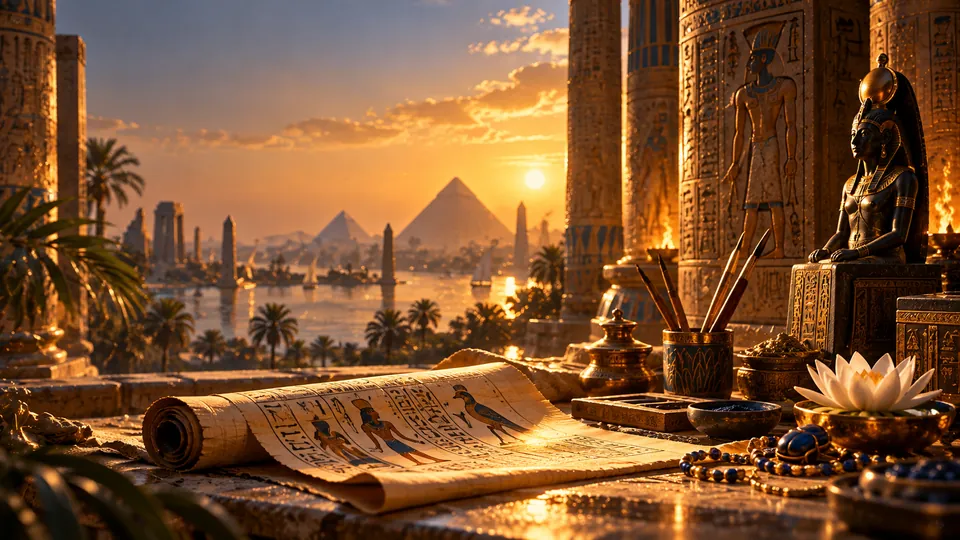
Ancient Egypt

Gods, Death, and Pyramids

Thousands of years ago, on the banks of the Nile, a civilization emerged that learned to turn stone into immortality, death into another journey, and the gods into one very complicated family.

  • 6modules
  • 2.5–3.5 hat your own pace
  • ✓tests optional
About the course
Online course

Greek Mythology

Decode the World Around You

Myths did not stay in the past. They live in language, names, technology, cities, constellations and everyday culture. The course teaches you to recognise them and understand why they keep coming back.

  • 8modules
  • ≈ 3.5 hat your own pace
  • 15final questions
Online course

Norse Mythology

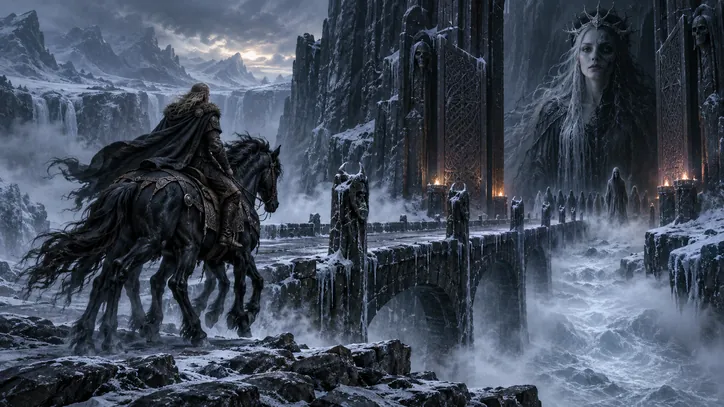
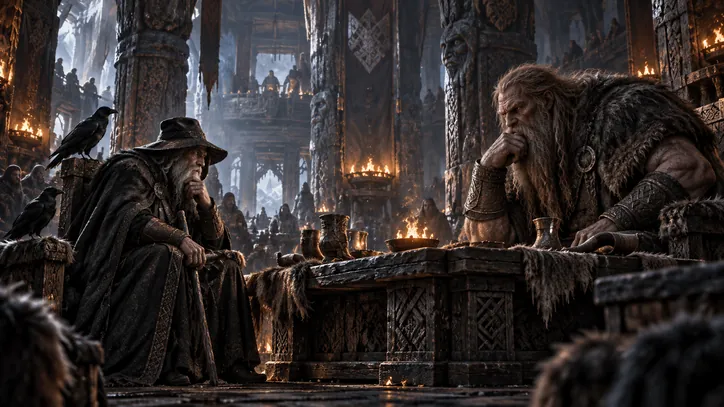
Nine worlds. Gods with questionable judgment. The end of the world is inevitable.

  • 9modules
  • 3.5–4.5 hat your own pace
  • ✓tests optional
Visual story
Зæриндагхуыд

The Golden Thread

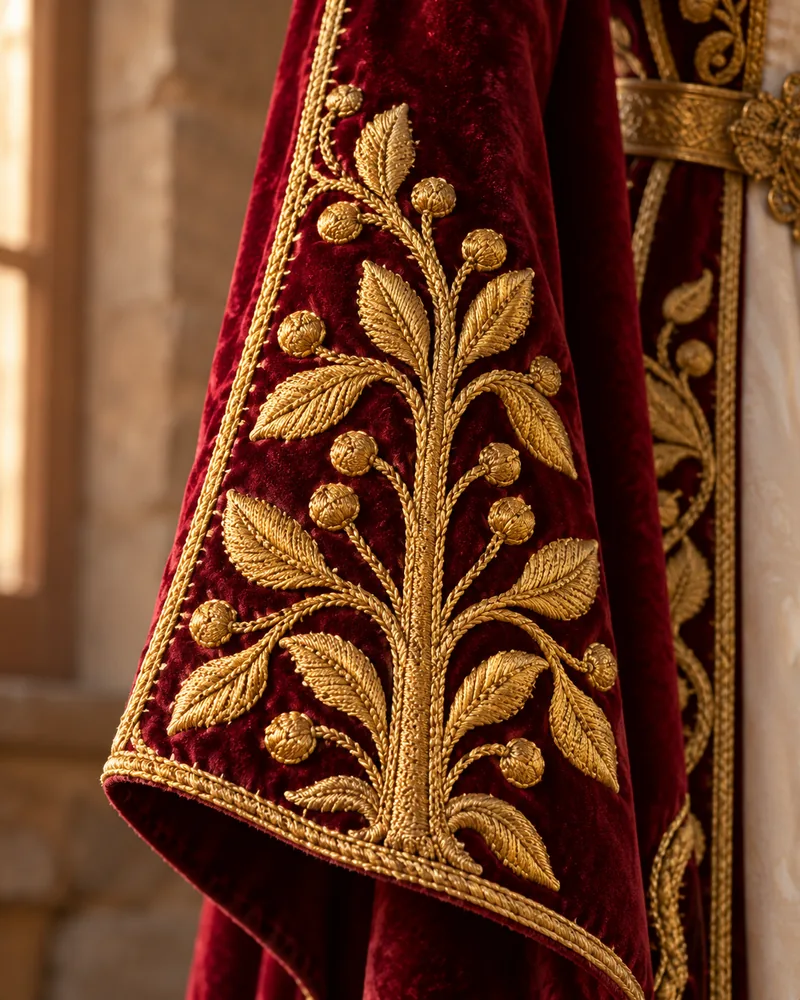
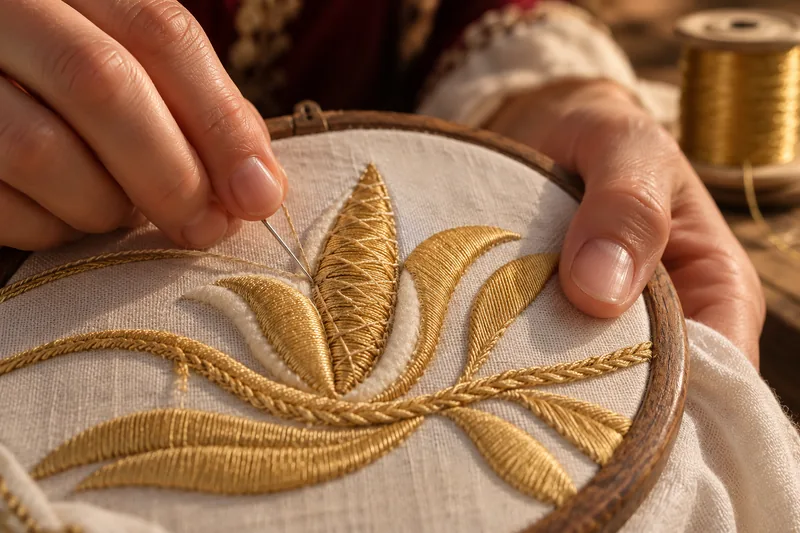
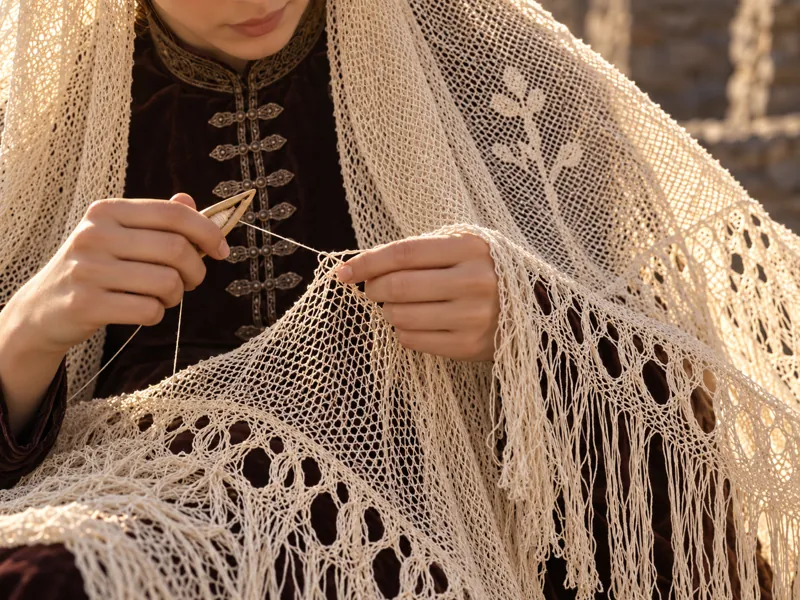
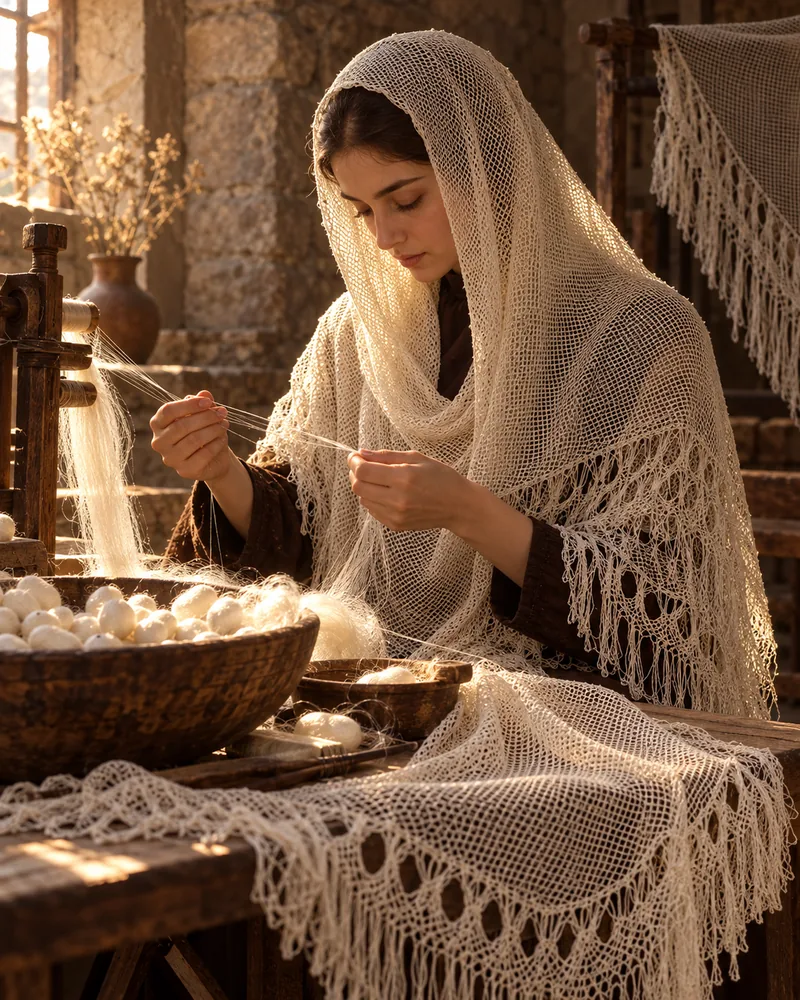
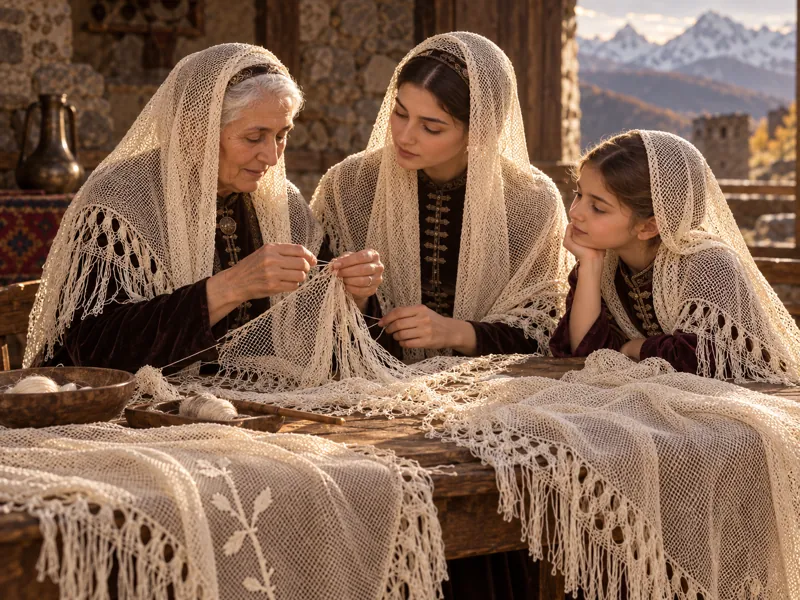
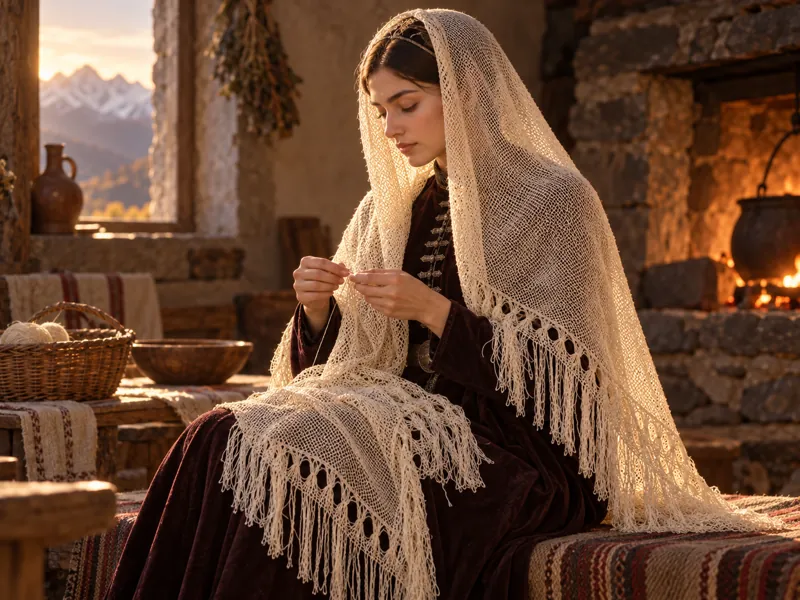
How gold thread reached mountain villages, who embroidered a bride's attire with it, and why the craft broke off for a hundred years — and is coming back.

View the story

The first story: Цыллæ хыз

  • 7chapters
  • 7activities
  • RU / ENtwo languages
Exhibit

Better to read it once than hear about it a hundred times

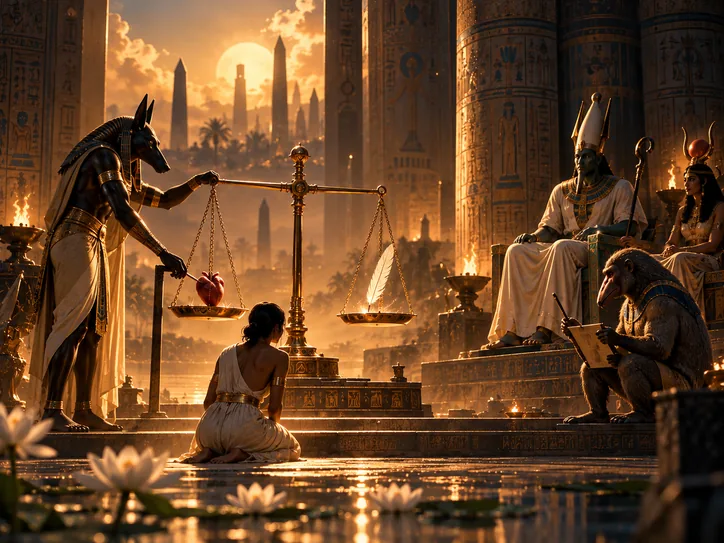
A hall of judgment in an Egyptian temple
Ancient Egypt · module 4 · lesson fragment

You're Dead. But First, You Have to Pass the Test.

The bad news: tomorrow isn't coming.

You've died.

The good news: the ancient Egyptians did not believe that this was the end.

Keep reading A new fragment on every visit
Interactive

More than reading

Small tasks are built into the lessons. No points, no timers: just a way to understand more deeply and remember for longer.

  • Ancient Egypt

    The Scales of Ma'at

    Truth or myth? Put a statement on the scales and find out what the sources say.

  • Ancient Egypt

    Cartouche

    Write your name in signs, the way pharaohs' names were written. Your name is never sent anywhere.

  • Norse Mythology

    The Rune Pouch

    Every module you finish draws a rune. Once all nine modules are done, your runes come together as your prophecy.

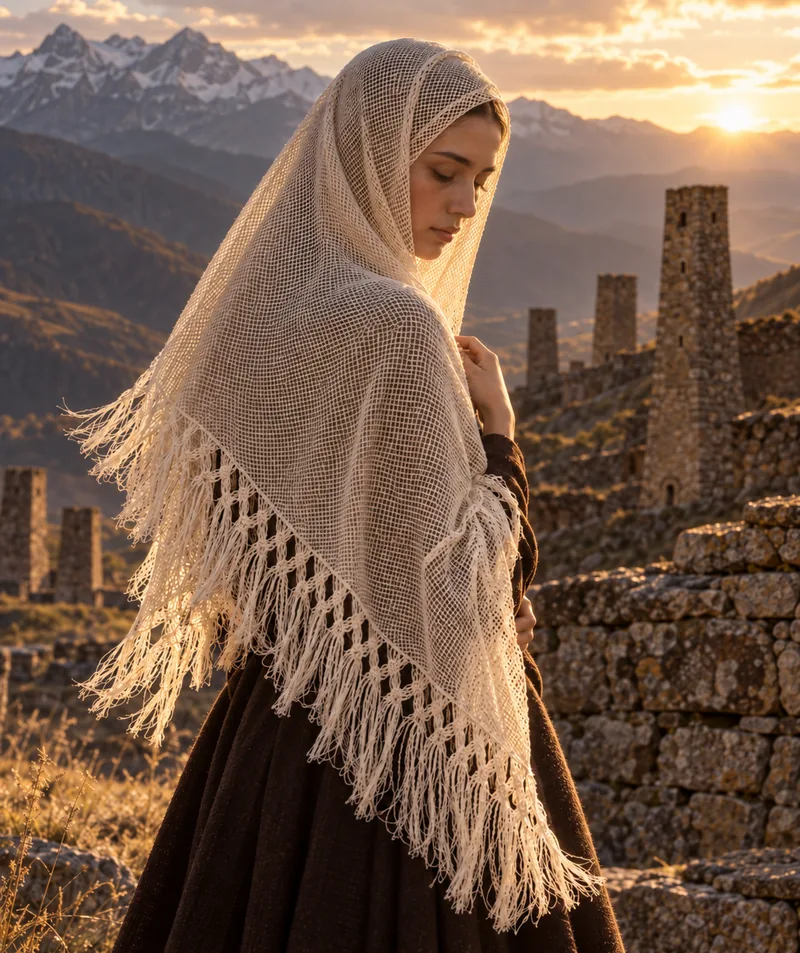
  • Ossetian headscarf

    The Path of the Thread

    Scroll the path of the silk: from mulberry leaf and cocoon to the shuttle in a craftswoman's hands.

Routes

One question, several worlds

Different peoples asked the same questions. Follow one of them through several courses and see how differently it was answered.

Route I

Where order comes from

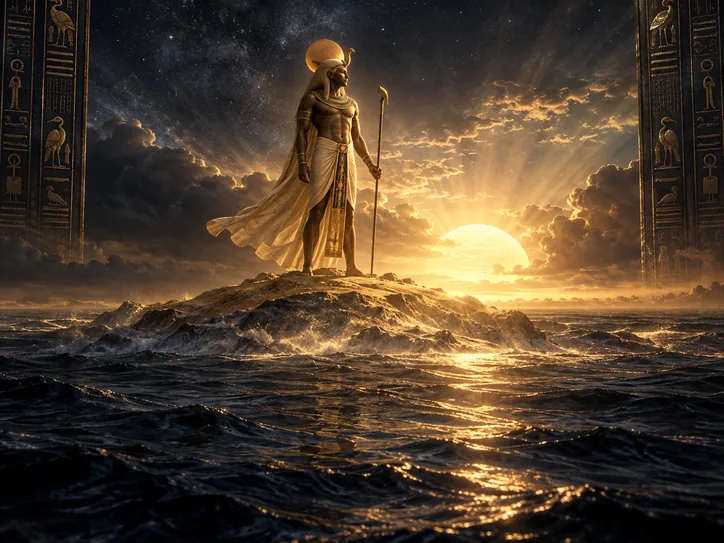
The Greeks begin with Chaos, the Norse with the void between ice and fire, the Egyptians with the dark primordial waters of Nun. In none of these worlds is order simply given: it has to be made, and then defended.

Route II

What waits after death

In Egypt, the dead face forty-two judges and a heart on the scales of Ma'at. The Norse had several addresses: Valhalla, Fólkvangr, and Hel, which is not hell, just somewhere else.

Route III

Thread and fate

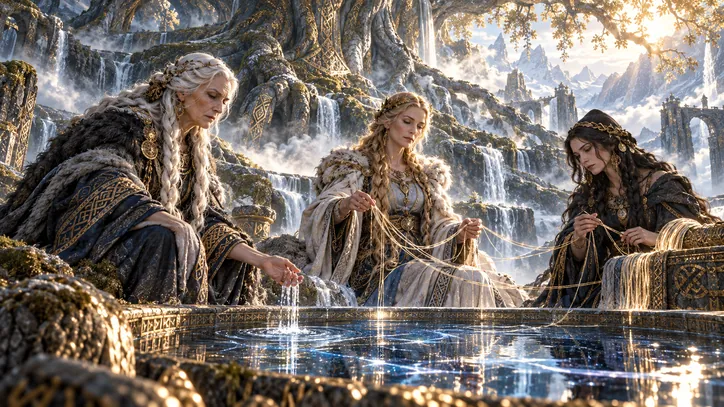
For the Norse, fate belongs to the Norns at the Well of Urd beneath the roots of Yggdrasil. In the Ossetian craft, a thread travels a long way from cocoon to open-work headscarf. Two worlds where the finest things grow into the most important.

How learning works

Three steps from curiosity to understanding

  1. Choose a world

    Mythology, an ancient civilisation or a living craft. Start with whatever calls to you most: the courses don't depend on each other.

  2. Read and look

    Short chapters, cinematic illustrations and interactive moments. Clear logic instead of an encyclopedia.

  3. Check yourself, if you like

    Quick questions along the way and self-checks without grades or timers. Skip them and simply read if you prefer.

Olesia, founder of MIYU Academy
ABOUT THE AUTHOR
“Because not everything we learn has to help us grow professionally. Sometimes, it's enough that it makes our lives a little more interesting.”

A Little About Me

Hi! I'm Olesia, the founder of MIYU Academy.

I've spent over 16 years in marketing and tech companies, and for the last five-plus years I've been creating courses, training programmes and learning initiatives for IT professionals. Along the way I learned how to turn the complex into the clear, and to help people discover new things.

Now I want to do what I love most: mythology, history, art, and the stories that make the world richer.

MIYU Academy is a place where knowledge is open to everyone. No required tests, no pressure: come, read and learn simply because it's interesting.

Support the project

Knowledge stays open

MIYU is an independent project. There are no ads and no paywall: the courses and stories are open to everyone.

If you enjoy what happens here, you can help new worlds appear. Once or monthly, from €5 — entirely up to you, with no strings attached.

Support on Ko-fi Pay by card or PayPal
Questions

Frequently asked questions

Do I need any background?

No. Every course builds the picture gradually, chapter by chapter, and assumes no prior knowledge. The courses don't depend on each other, so you can start with any of them.

How long does it take?

Modules take 15–35 minutes each. Greek Mythology is about 3.5 hours, Norse Mythology 3.5–4.5 hours, Ancient Egypt 2.5–3.5 hours. Go at your own pace; your progress is saved.

How is a visual story different from a course?

A course is a set of modules with optional checks and saved progress. A visual story is one large illustrated page with no modules or tests, read like a picture book.

Are the tests required?

No. The checks in the lessons are just for you, with no grades or timers. The Greek course also has the 15-question Final Myth Decoder, which is optional too.

How much does it cost?

The courses and visual stories are open to everyone. If you'd like to support the project, you can do so on Ko-fi, once or monthly, entirely if you wish.

Do I need an account?

No. There is no sign-up: progress is saved in your browser, so you continue where you left off on this device.

Which languages are the courses in?

Russian and English. You can switch between them at any time.

Can I delete my data?

We do not keep your data. Progress lives only in your browser, and you can erase it in Privacy settings.

The familiar world is about to get deeper

Five worlds are already open. Start with any of them, at your own pace, in Russian or English. One chapter, and you won't see familiar things the old way again.

Choose a world